Culture
The new Generation of Tibetan Opera Shows Fresh Vitality in Shigatse, Xizang
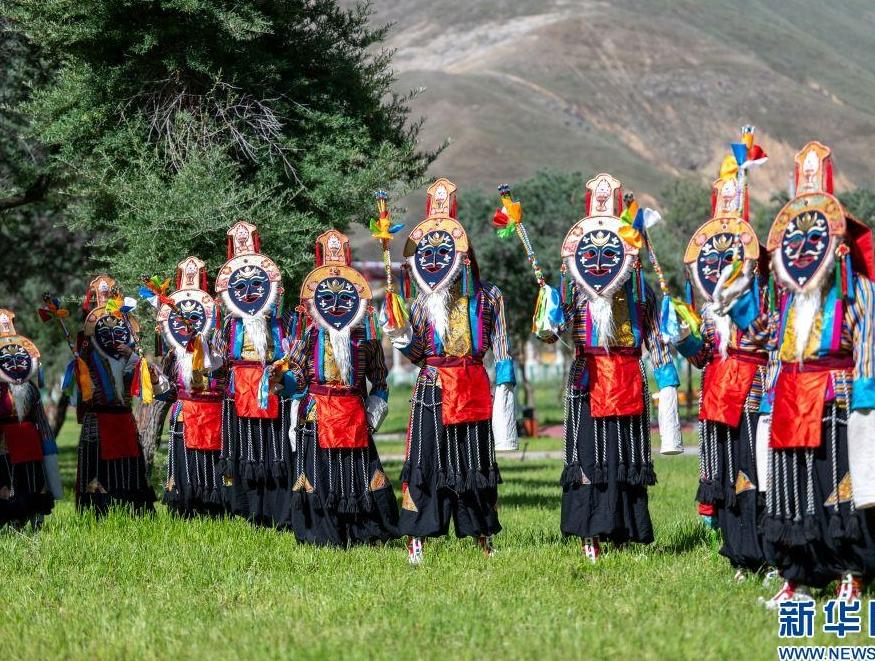
Recently, by the Xiangqu River, teenagers from the Children's Tibetan Opera Team in Namulin County, Xigaze City, Xizang Autonomous Region wore masks to rehearse Tibetan opera.
The Old Tibetan Translation of the Rāmāyaṇa from Dunhuang
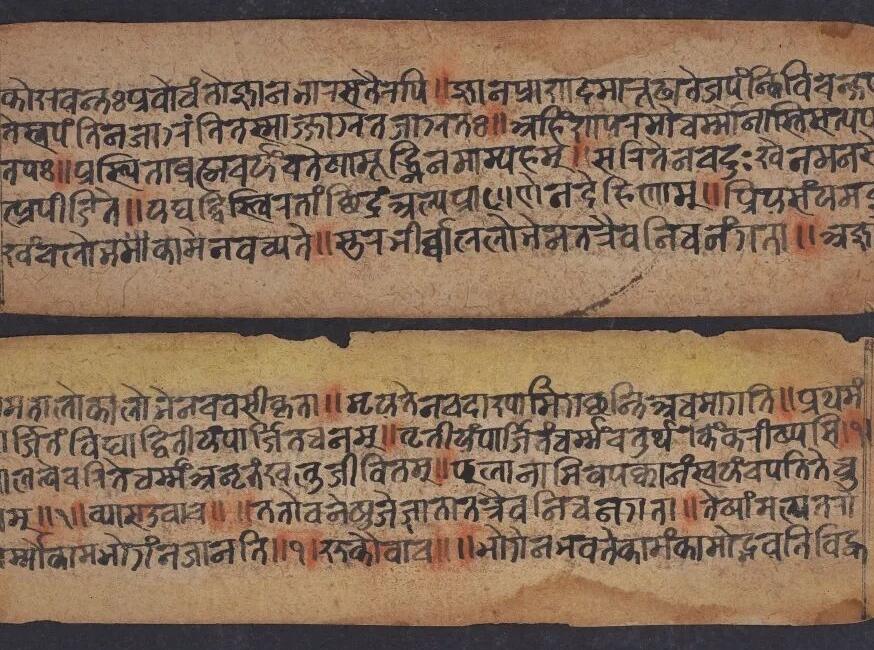
The Old Tibetan translation of the Rāmāyaṇa discovered among the Dunhuang manuscripts represents one of the earliest known translations of the Indian epic into Tibetan language and stands as a landmark in the history of Tibetan literary culture.

Tibetan-Chinese Bilingual Edition of Dharma Parables and precious compilations Officially Published
Recently, the Tibetan-Chinese bilingual edition of Dharma Parables and precious compilations, originally composed by the great master Potowa and others and translated into Chinese by Gonpo Tsering, was published and released by Qinghai Nationalities Publishing House.

Final of Street Dance Special Competition at the 3rd Tibet Culture and Arts Festival Concludes
Recently, the final of the street dance special competition, part of the professional dance contest at the 3rd Tibet Culture and Arts Festival, came to a close in Lhasa. This marks the first time that street dance has been included in the official professional dance

Taking Silk Road science global
Guo Qinglin still remembers a visit to Yumen Pass not long after he joined the Dunhuang Academy in 1999, in Dunhuang, Gansu province. He had followed senior colleagues to inspect the strategic Han Dynasty (206 BC-AD 220) fort, a vital gateway on the ancient Silk Road,

Encountering the Medika Wetland in Nakchu, Xizang
The Medika Wetland National Nature Reserve in Xizang is located in Medika Township, Chali County, Nakchu City, at an average altitude of 4,900 meters. It is a typical plateau lake-marsh meadow wetland. In 2004, it was designated as a Wetland of International Importance under the International Convention on Wetlands

"Complete Collection of Xizang Mural Paintings" Published After Decade-Long Effort
The Complete Collection of Xizang Mural Paintings, a comprehensive series completed over ten years with in-depth participation from nine cultural relics and archaeological institutions including the Hunan Provincial Institute of Cultural Relics and Archaeology and the Xizang Autonomous Region Institute of Cultural Relics Protection, has been published by Science Press.

The faith of a painter
A herdsman living on the Qinghai-Tibet Plateau in Qinghai province falls from a mountain while trying to save a yak. His 12-year-old daughter, Gexiangjiu, sets out to find a doctor and meets Mado, a hearing and speech-impaired boy of the same age who comes from a long line of thangka painters.

Black Tent: A Living Fossil of the Historical and Cultural Heritage of Nomadic Peoples
The black tent is a highly distinctive dwelling of Tibetan herders, a traditional residential culture that has continued to this day, and a "living fossil" of the historical and cultural heritage of nomadic peoples. The black tent features warmth in winter and coolness in summer, durability, ease of assembly and disassembly, and convenient portability.

Tibetan hospital combines centuries-old medicine with modern care
Nearly 110 years after its founding, the Tibetan Hospital of the Xizang autonomous region is using modern equipment and telemedicine alongside centuries-old practices to treat chronic illnesses common at high altitudes.

Rare artifacts in Xizang trace centuries of cultural exchange
More than 70 rare artifacts, many being shown publicly for the first time, are drawing tourists from home and abroad to the Lhoka Museum in the Xizang autonomous region.

Traditional Reba Dance in SW China's Xizang beats its way onto bigger stage
Reba Dance performers in traditional blue costumes perform on a grass field during a grassland cultural festival in Dengqen county, Qamdo city, southwest China's Xizang Autonomous Region. Reba Dance is a traditional drum dance in Xizang and also an item on China's list of national-level intangible cultural heritage.

Ancient Cham dance finds new life in SW China's Xizang
During the Tibetan New Year each year in southwest China's Xizang Autonomous Region, Cham dance, an ancient ritual dance that reflects the region's cultural traditions, unfolds across the plateau.
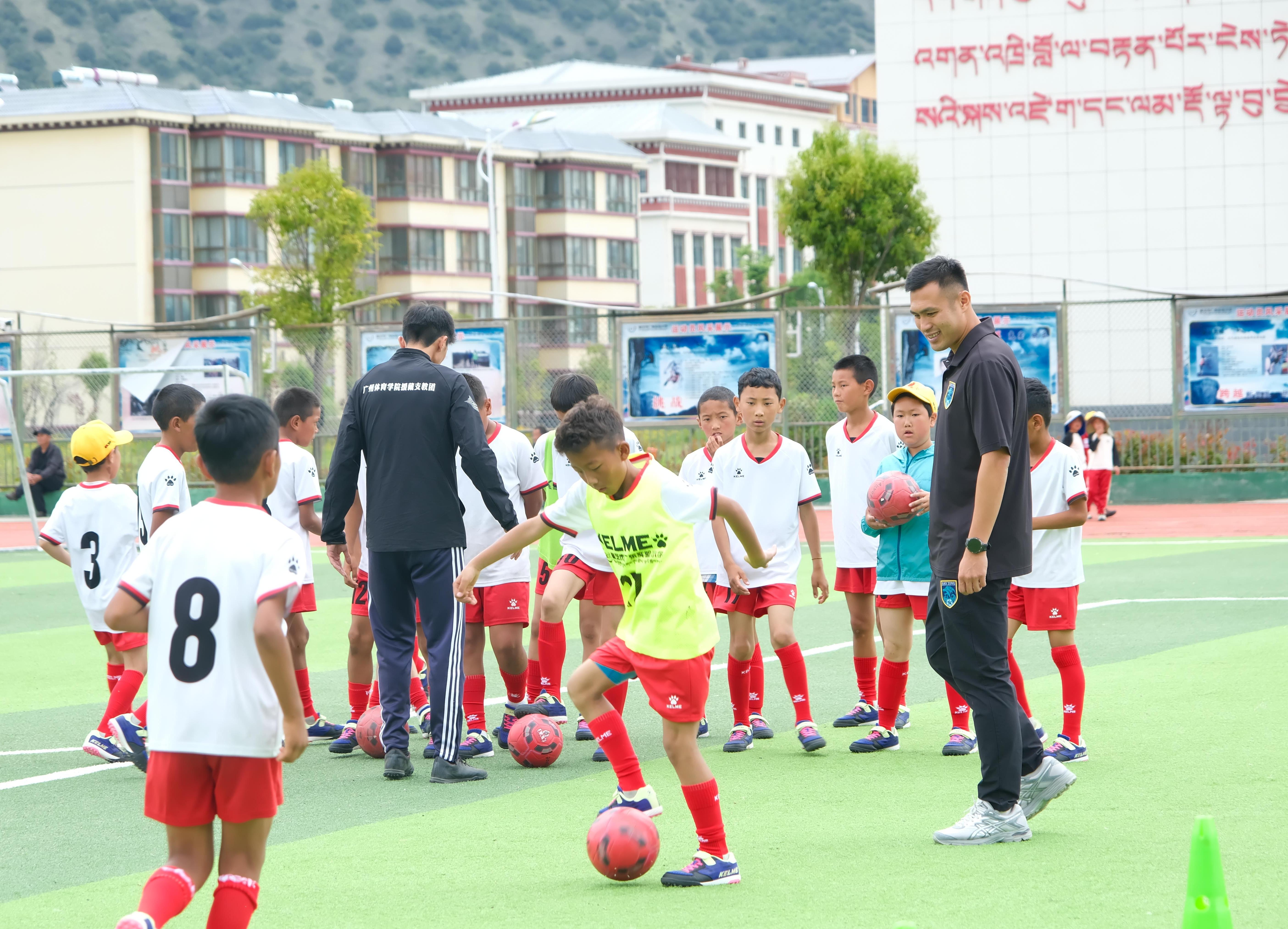
"Olympic Culture on Campus" event held in Nyingchi, Xizang
Recently, the "Move for the Future" — "Cheer for Olympics" Olympic Culture on Campus event was held at Guangdong Experimental Primary School in Nyingchi. The event set up interactive classes covering martial arts, rock climbing, football, breakdancing and painting.
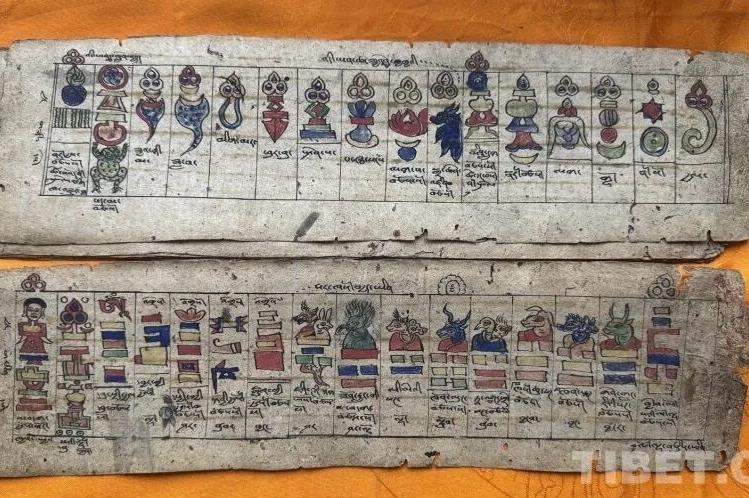

Yak yogurt gains increasing popularity
For generations, yak yogurt has been an indispensable part of Tibetan daily life. Made from yak milk through natural fermentation, it is valued not only as a nutritious food, but also as a symbol of hospitality and blessing.
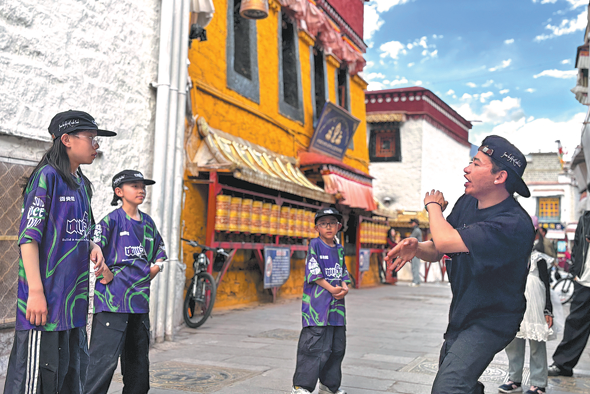
Tibetan street dance blends beats with traditional forms
At an international street dance competition in Beijing on Sunday, four young dancers from the Xizang autonomous region wowed the audience with a routine that blended hip-hop with traditional Tibetan dance forms.

Grandma's tales inspire Tibetan writer's new book
As Khandro Tsering watched his third-grade students' eyes light up while listening to him read aloud Harry Potter and the Sorcerer's Stone in vivid Tibetan, he was taken back to those happiest childhood memories of evenings spent immersed in folktales and legends gently told by his grandmother.

The Chinese version of "A Brief History of Tibetan Medicine in Aba Prefecture" has been officially published and distributed
The Chinese version of "A Brief History of Tibetan Medicine in Aba Prefecture" was compiled based on the content of the original Tibetan version, and the overall editing and polishing work took four years.

The millennium old Tibetan medicine bath therapy witnesses the intangible cultural heritage inheritance of the Qinghai-Xizang Plateau
In 2018, "Tibetan Medicine Bath Therapy" was successfully included in the Representative List of Intangible Cultural Heritage of Humanity. From the systematic records of the "Four Medical Classics" in the 8th century AD to the path of inheritance in higher education institutions,

Dege Sutra Printing House:A Tibetan Cultural Treasure Under the Snow-Capped Mountains
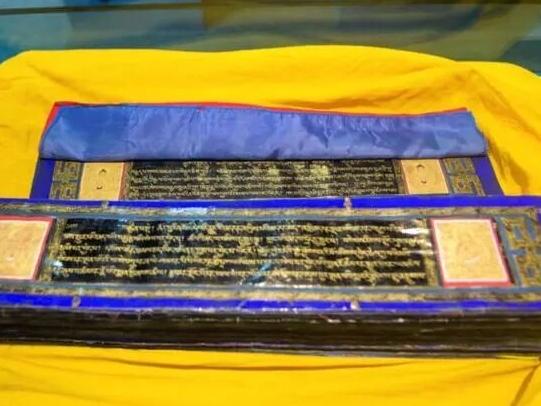
Built in 1729, the Dege Sutra Printing House preserves in good condition 325,520 woodcut printing plates containing significant Tibetan classics dating back to the 11th century. The majority of the blocks were carved between the 18th and mid-20th centuries.

The Cultural Core and Historical Evolution of Xizang's Ongkor Festival
The Ongkor Festival is widely celebrated throughout the agricultural regions of Xizang. In Tibetan, "ong" means "field," and "kor" means "to circle." Hence, the Ongkor Festival is literally a festival of walking around crop fields. As such, it is closely connected to agricultural activities and embodies prayers and hopes for a plentiful harvest.