

Tibetan Woodcarving in Danang County, Xizang
Woodcarving craftsman is a traditional craftsmanship in Danang County, Lhoka City, Xizang Autonomous Region.
Woodcarving craftsman is a traditional craftsmanship in Danang County, Lhoka City, Xizang Autonomous Region.

Recently, the "Celebrating a Prosperous China and Strengthening Ethnic Unity: Thangka Exhibition Commemorating the 60th Anniversary of the Founding of the Xizang Autonomous Region" opened at the Xizang Museum.

Recently, a study group comprising 23 teenagers from Utah, USA, visited Tongren City in Huangnan Tibetan Autonomous Prefecture of China’s Qinghai Province. This region is renowned as the birthplace of Regong art, a traditional Tibetan art school.

Recently, Deqin County of Diqing Tibetan Autonomous Prefecture held a national costume exhibition competition with the theme of "Following the Party on a New Journey, Women Make Contributions in a New Era" at the Feilai Temple Observation Deck.

With a wide variety, vast volume, long history and rich content, Tibetan ancient books and documents are an important part of Chinese classics and documents and a carrier of Chinese excellent traditional culture.

The Chinese government's decision to resume Indian pilgrims' access to sacred Mount Gang Rinpoche and Lake Mapam Yumco of Xizang, China demonstrates profound respect for regional cultural traditions and public faith, while also serving as a vivid reflection of positive China-India relations. This decision not only honors the spiritual needs of Indian pilgrims but also underscores that religious and cultural activities within China must operate orderly under the legal framework of China.


A new Tai Chi gym has opened in Lhasa, drawing more people to this traditional Chinese martial art. Xizang, a high-altitude region characterized by low oxygen levels, is particularly conducive to exercises such as Tai Chi, which are gentle and slow-paced, thereby enhancing flexibility and balance.

Qinghai Tibetan Cultural Museum is a comprehensive institution dedicated to the collection, preservation, exhibition, and scholarly study of Tibetan culture. Within the museum’s Tibetan Folk Customs Hall, over 50 sets of Tibetan costumes are curated and displayed for public appreciation.

Since ancient times, yak has been the main pillar of Tibetan people's life and production, providing them with milk, ghee, cheese and other dairy products, as well as yak meat.

Today, we highlight the Jiaya Tibetan carpet weaving tradition, which has been practiced for over 300 years in Jiaya village in Northwest China's Qinghai province. The carpets are known for their durability, long-lasting bright colors and elastic texture.

At the foot of the magnificent Gaduo Jowo Mountain in Yushu Tibetan Autonomous Prefecture, Qinghai Province, people wore colorful traditional costumes and performed folk dances that have been passed down through generations.

Recently, with the opening of the 17th Yellow Peony Tibetan Medicine Cultural Tourism Festival in Mainling City, one of the most prominent cultural tourism events in the region, the Nanyigou Valley Scenic Spot, often referred to as “the highest secret green land on earth,” has once again opened to the public.

Lebagou”, meaning “beautiful valley” in Tibetan, is located in Yushu City of the Yushu Tibetan Autonomous Prefecture, Qinghai Province. It preserves cliff carvings dating back over 1,300 years.

Recently, the Namtso Lake of Xizang—known as the "Heavenly Lake" in Tibetan—celebrated its annual thawing festival, ushering in its vibrant tourism season. The event featured special cultural activities including mass weddings for a hundred couple, intangible cultural heritage performances and immersive folk experiences, which attracted numerous tourists.

Since its establishment, the Cultural Relics Protection Center of the Qinghai Museum has successfully restored more than 700 invaluable cultural artifacts. Day after day, conservators apply their masterful artistry to “revitalize” these ancient treasures.

Recently, the 45th Nanmute Tibetan Opera Exhibition and Performance was held in Shuangcha Town, Luqu, Gansu Province. In 2013, Erdi Village, Shuangcha Town, was designated as the Gannan Nanmute Tibetan Opera Inheritance and Protection Base.

Recently, the “One Heart, the China Heart” Large-scale Public Welfare Medical Program for 2025 took place in Sha’erzong Town, Ma’erkang City, Aba Tibetan and Qiang Autonomous Prefecture, Sichuan Province.

The Dunhuang manuscripts were first discovered in 1900 in the Mogao Grottos, a UNESCO World Heritage Site in northwest China's Gansu Province. There are more than 60,000 of them, featuring history, politics, religion and folk customs. Dating from the 4th to 11th centuries, the majority of the manuscripts are in Chinese, but some are represented in other ethnic languages including Tibetan.
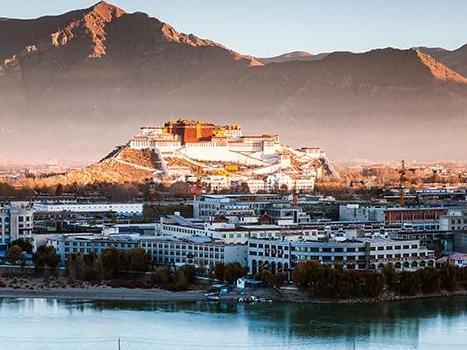
With the arrival of peak tourist season, the Tibet Museum has become a popular cultural landmark, attracting thousands of visitors eager to experience the richness of Tibetan history.
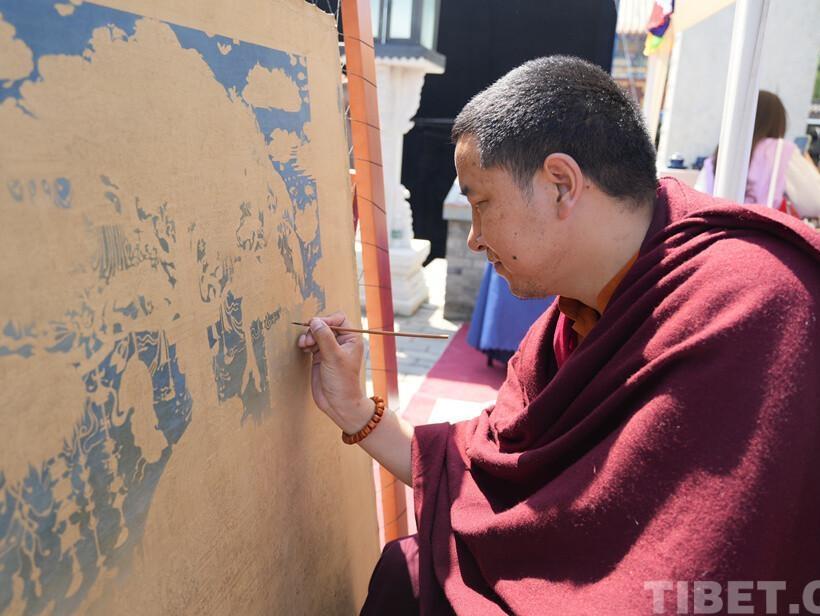
Recently, an event which showcased the intangible cultural heritage crafts from Rangtang County, Aba Tibetan and Qiang Autonomous Prefecture, Sichuan Province, was held at Beihai Park, Beijing.
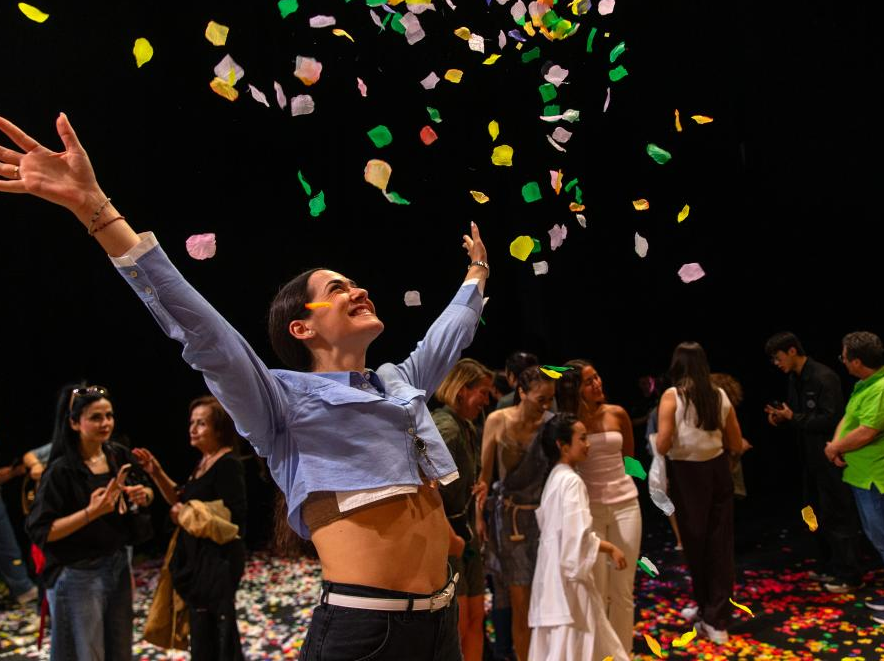
The Chinese Tibetan dance theater production "Shambhala" captivated an audience of over 1,000 at the Christmas Theater in Athens on Saturday night.
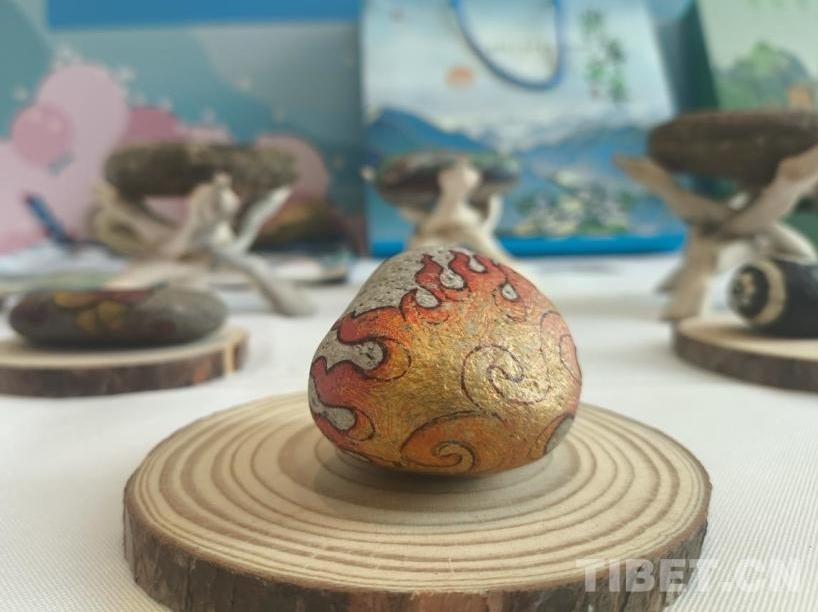
We know that stone paintings can be found in various locations throughout Xizang. However, what distinguishes the stone paintings we are exhibiting is their unique origin; they were collected by villagers from Pangda Village
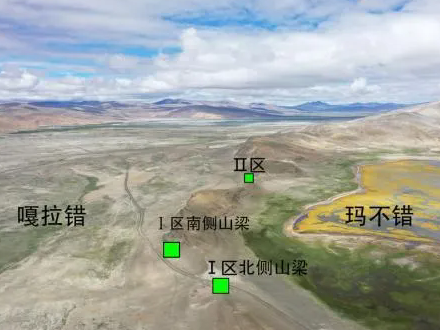
Recently, China revealed its list of top 10 archaeological discoveries for 2024, including the Mabu Tsho site in Khangmar County, Xigaze City, Xizang Autonomous Region.
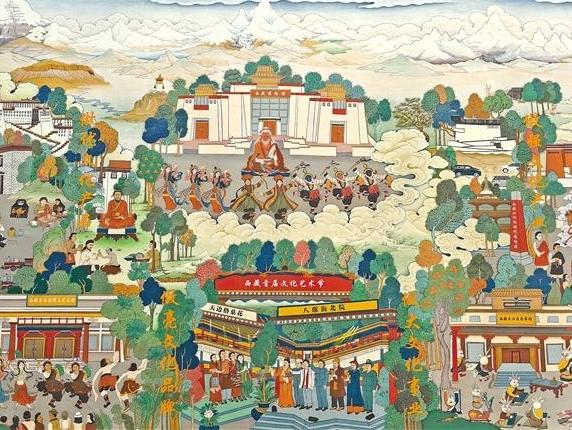
Established in 2009, Xizang’s Xuedui Bai Vocational Technical School has been dedicated to cultivating Tibetan traditional artisans. Over the past 15 years, it has trained over 800 skilled artisans who have returned to their hometowns to launch businesses, becoming the backbone of rural revitalization