Chinese animation gains popularity among young audiences
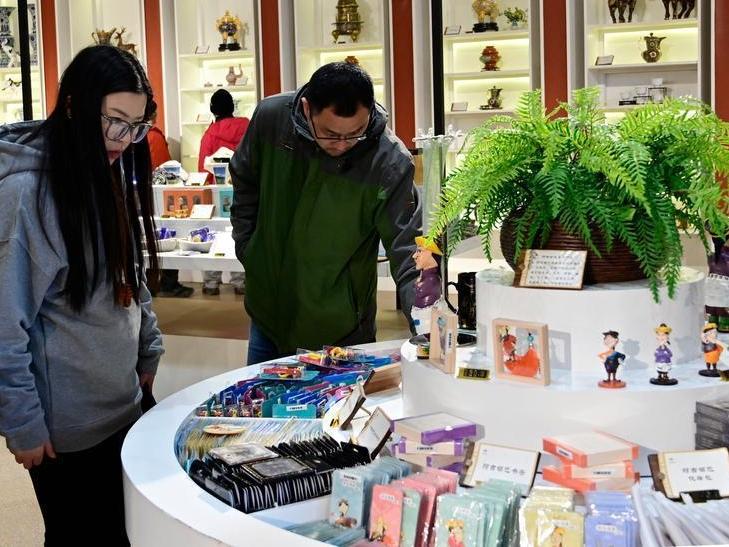
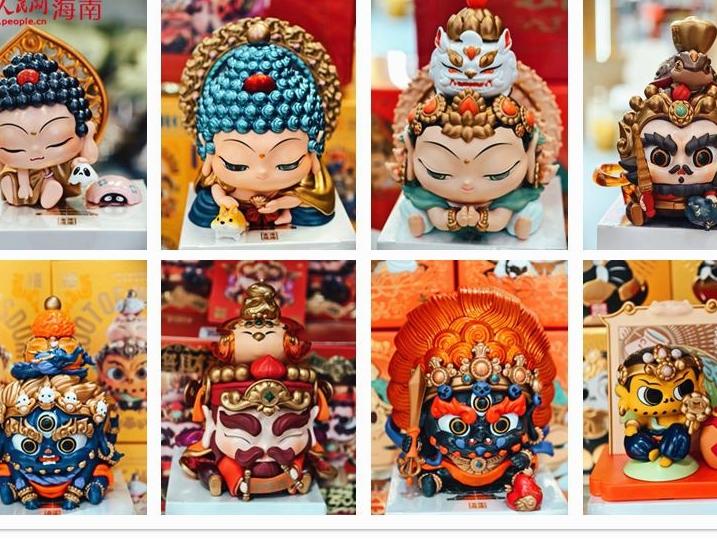
Cultural creative products of Chinese animated film Ne Zha 2 are pictured in a toy store in Chengdu, southwest China's Sichuan Province, March 4, 2025
Drop in on the Woser Gamchung Tea House on the first floor of a four-story compound building on popular Barkhor Bazaar in the old town of Lhasa in the Xizang autonomous region at around 2 pm, and you may be surprised to find that the time-honored spot, known for its Tibetan sweet tea, is still bustling with customers.
Since 2013 when Medog County was open to traffic, the whole county has developed rapidly. Today, there are rows of new houses with ethnic characteristics.
In March, tea trees starts to grow tender buds in the tea gardens of Medog County. Thanks to its favorable location at the southern foothills of the Himalayas, Medog enjoys abundant moisture and warm climate, which then provides favorable conditions for developing the tea industry.
Tsering Tsomo, workshop director of Xizang Ganlu Traditional Medicine Industry Group Co., Ltd., was elected as a deputy to the 14th National People’s Congress (NPC) in 2023
n Xizang, there exists a wide variety of ethnic handicrafts and ancient techniques such as Thangka painting, traditional fabric, and carving and sculpture.
The enchanting melodies of “Xianzi” (a traditional Tibetan string instrument) performance during the Tibetan New Year Gala embodies the essence of Tibetan intangible heritage and the festive joy.
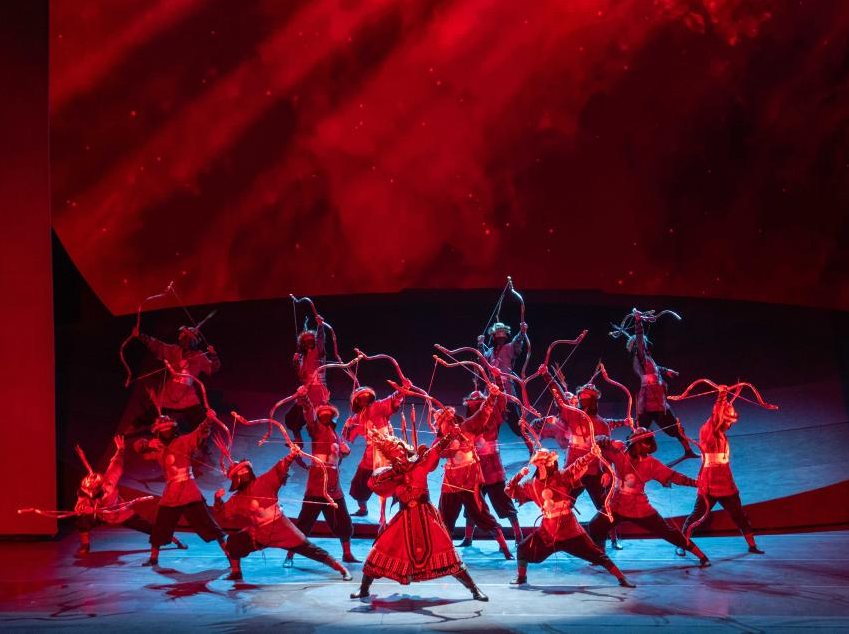
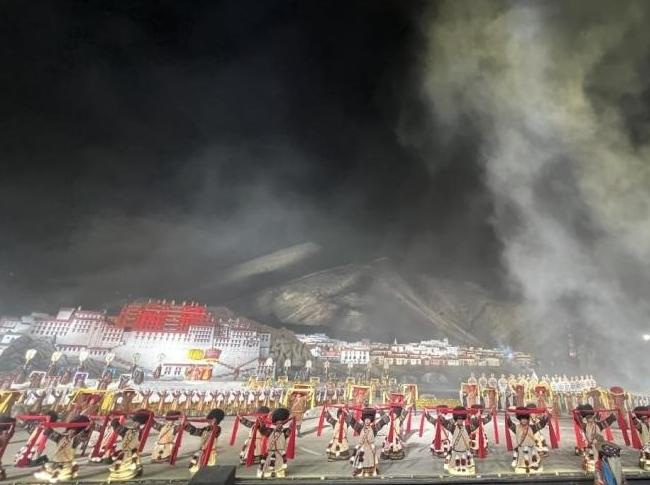
Since its premiere in 2013, the large-scale epic play Princess Wencheng has been performed for more than 1,600 times. By now, the theater and its supporting projects have received more than 4 million visitors and paid more than 400 million yuan as salaries to local people.
Butter sculpture is a form of handcrafted oil sculpture art that utilizes butter as its primary material. The themes often depicted in this art include characters, flowers, trees, birds, and beasts.
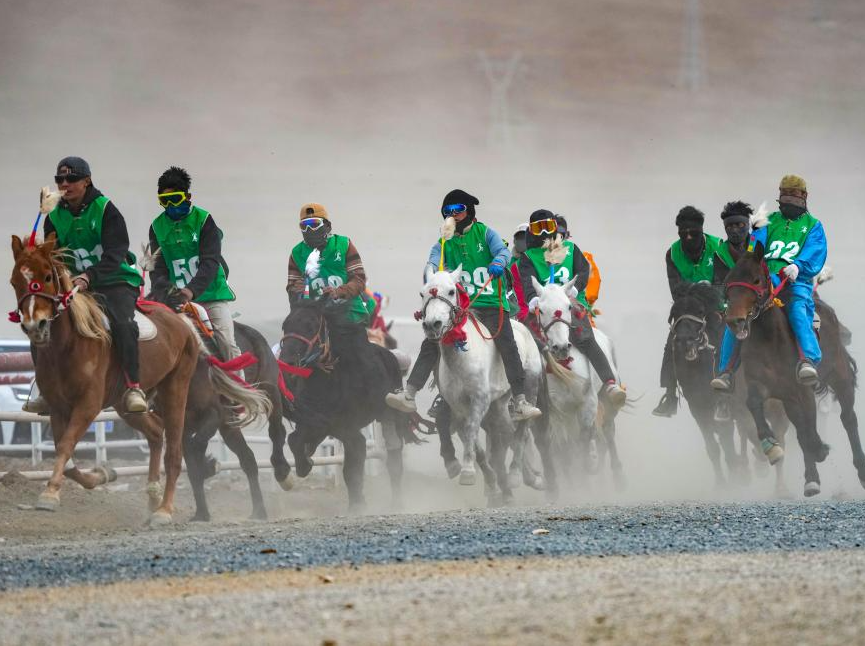
iders enter the racecourse in Lhasa, southwest China's Xizang Autonomous Region, March 2, 2025. The city of Lhasa hosted an equestrian show on the third day of the Tibetan New Year, featuring traditional equestrian performances and horse races.
In anticipation of the 2025 Tibetan New Year, the streets of Lhasa, Xizang, exude a festive atmosphere. Days ago, Lhasa welcomed its second snowfall this year. Norbulingka, a UNESCO World Heritage
Vendors arrange goods at a local market in Lhasa, southwest China's Xizang Autonomous Region, Feb. 24, 2025. People in Lhasa are busy with making preparations ahead of the upcoming Tibetan New Year.
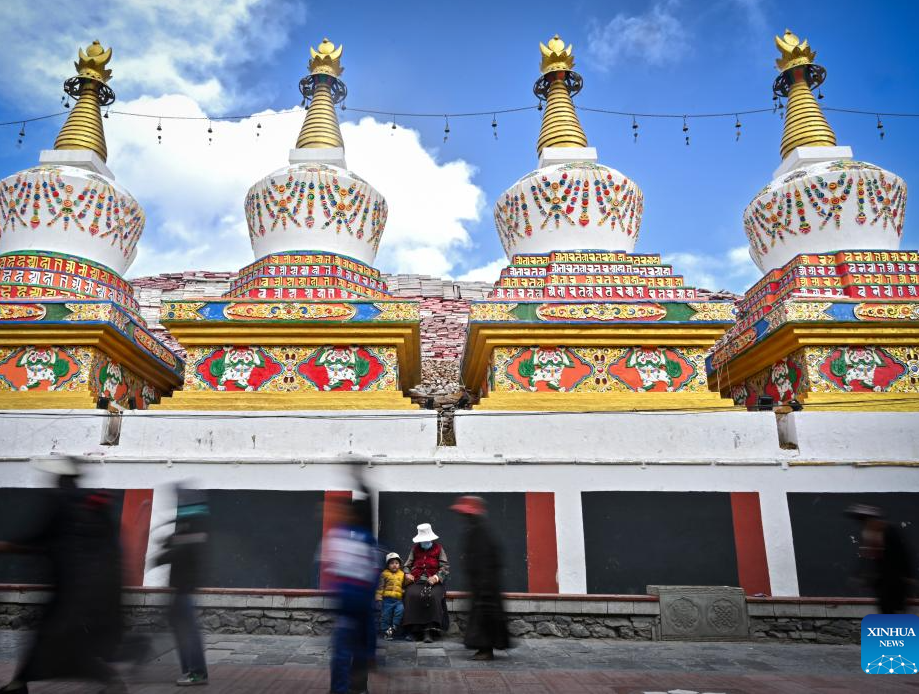
Founded in 1073 AD, Sagya Monastery in Sagya County, Xigaze, China’s Xizang Autonomous Region, is known as “Dunhuang on the Snowy Plateau.”
This photo taken on Feb. 13, 2025 shows animal specimens at a Tibetan-style teahouse in Seni District of Nagqu, southwest China's Xizang Autonomous Region
Founded in 1073 AD, the Sagya Monastery in Sagya County, Xigaze, China’s Xizang Autonomous Region, is known as “Dunhuang on the Snowy Plateau” and is the main temple of the Sagya sect of Tibetan Buddhism.
With the the Tibetan New Year approaching, the streets and alleys of Lhasa are filled with a festive atmosphere. Kasai, a traditional delicacy symbolizing good luck, is an indispensable traditional food for the Tibetan New Year.
As the Tibetan New Year (also known as Losar in Tibetan) approaches, the streets and alleys in Lhasa are filled with excitement.
Xizang boasts magnificent natural scenery in winter and a profound cultural heritage, and its food culture has a long history and unique features.
Generally, from the 23rd day to the 29th day of the 11th month of the Tibetan calendar, Sakya Monastery would hold its annual Mahakala Dharma Assembly, which features a large scale and a majestic atmosphere.
The Chinese Lunar New Year and Tibetan New Year are coming. Citizens are more and more passionate about special purchases for the festivals. The annual peak season for special purchases for the Spring Festival gets underway slowly.
Recently, Princess Jincheng, the large-scale Amdo Tibetan opera, composed by the Tibetan Opera Troupe of Qinghai Province, completed its Beijing debut at the Mei Lanfang Theatre. This marks the first time the play was performed outside its birthplace, Qinghai Province.
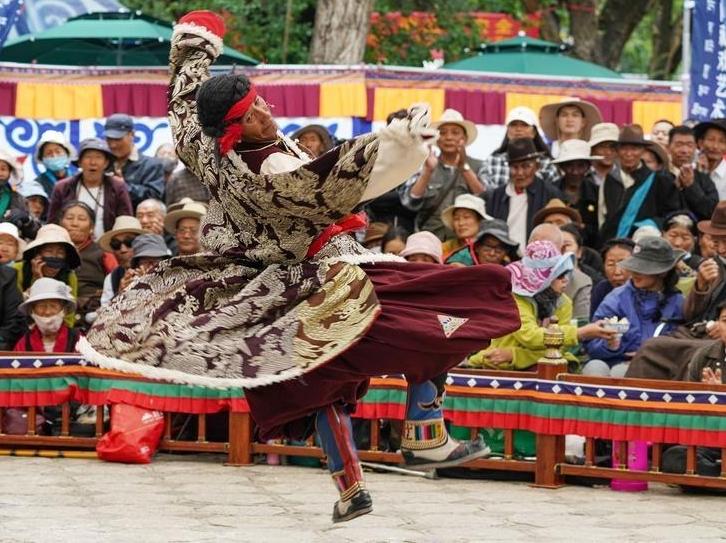
Ani, 60, is an inheritor of the traditional Reba Dance. Reba Dance is a form of drum dance, and a blend of performing arts, integrating storytelling, singing, dancing and acrobatics. In 2006, it was included in the first batch of China's national intangible cultural heritage list.
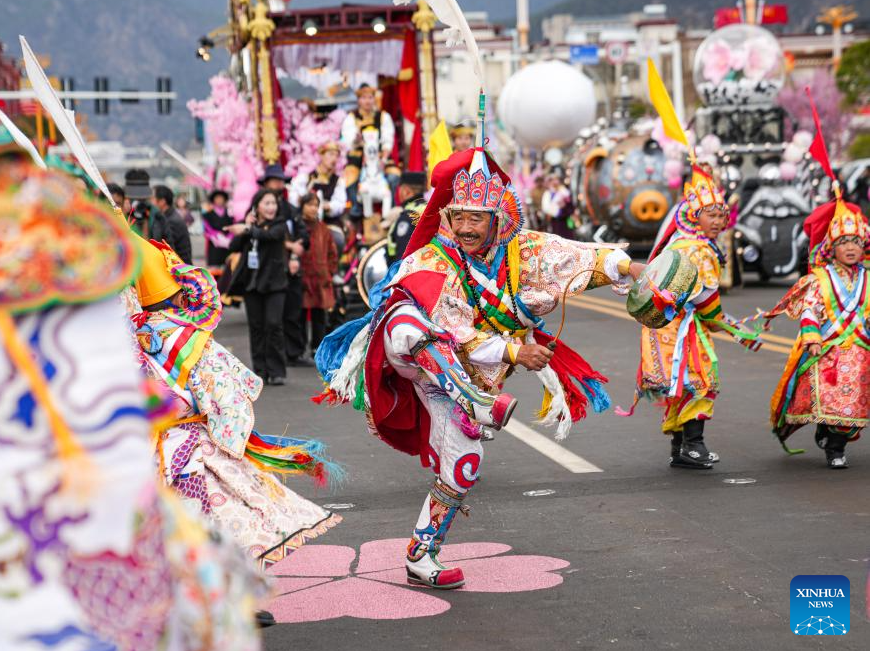
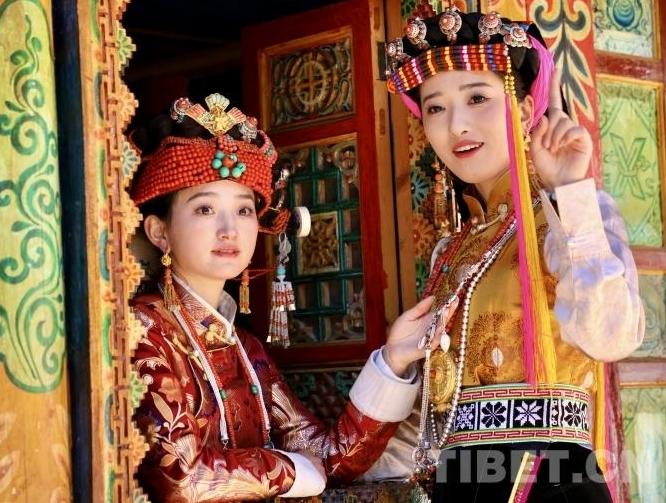
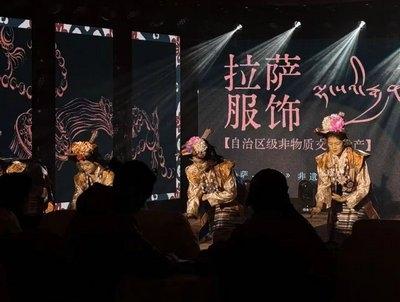
his photo taken on Jan. 3, 2025 shows a costume show during the opening ceremony of a clothing culture week in Lhasa, southwest China's Xizang Autonomous Region.
Batang County, Garze Tibetan Autonomous Prefecture, Sichuan Province, is called the “Hometown of Chinese Xianzi Dance”