
The ecological epic of the harmonious coexistence of man and nature inf Nyingtri Xizang
This is Nyingtri County, Lhasa City, Xizang, which enjoys the reputation of "Lhasa granary". It is also one of the most important wintering habitats for black necked cranes, known as "city birds" in Lhasa. From October to March of the following year, black necked cranes from the Qiangtang grassland follow the seasonal footsteps and fly here to overwinter in the wetlands of the river valley. Many times, more than 2200 black necked cranes and more than 7000 spotted geese, red ducks and other migratory birds gather here, forming one of the largest and most stable wintering migratory bird communities in the Xizang River Valley.
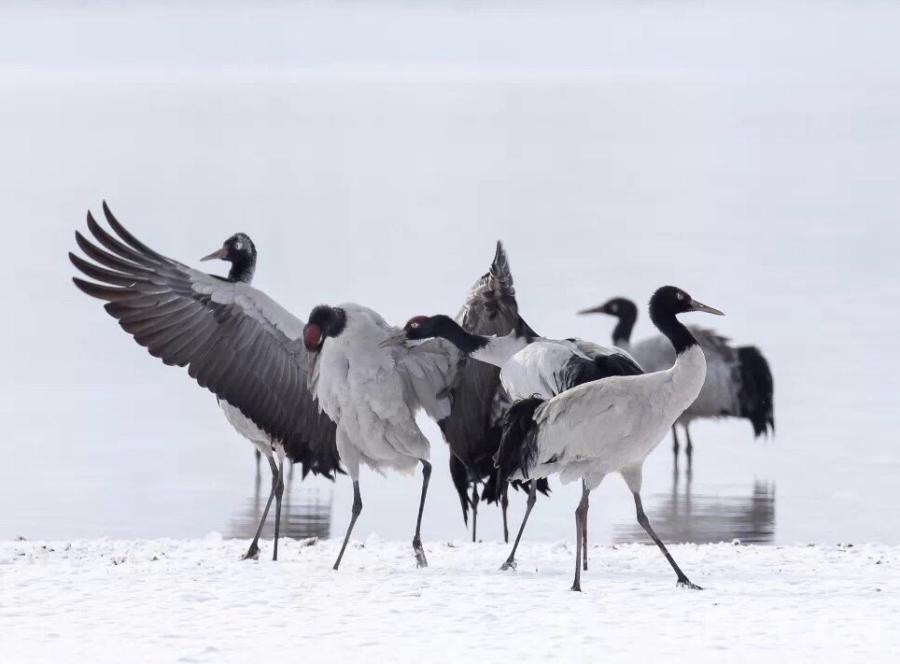
As an important part of the Black necked Crane National Nature Reserve in the middle reaches of the the Yarlung Zangbo River in Xizang, the forest covers an area of 1.4399 million acres. On 6.6996 million acres of land in the entire county, there are 1.6004 million acres of forest land, 4.3604 million acres of grassland, and 202200 acres of wetlands , with a forest and grass coverage rate of 88.97%. In recent years, with the continuous promotion of ecological governance projects such as the restoration of degraded wetlands, interconnection of water systems, and restoration of vegetation in the local area, the ecological environment of high-altitude wetlands has been continuously improved.
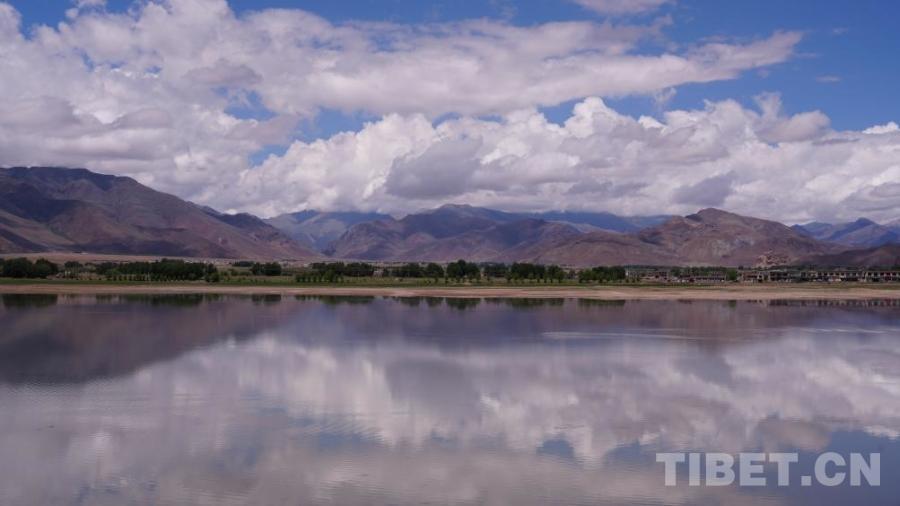
Nowadays, not only can black necked cranes be stably observed here, but dozens of water birds such as grey cranes, egrets, mermaids, mallards, cormorants, as well as wild animals such as Tibetan foxes, wild rabbits, and plateau pika can also be seen. A complete and vibrant ecosystem of high-altitude wetlands is unfolding before the eyes of the world.
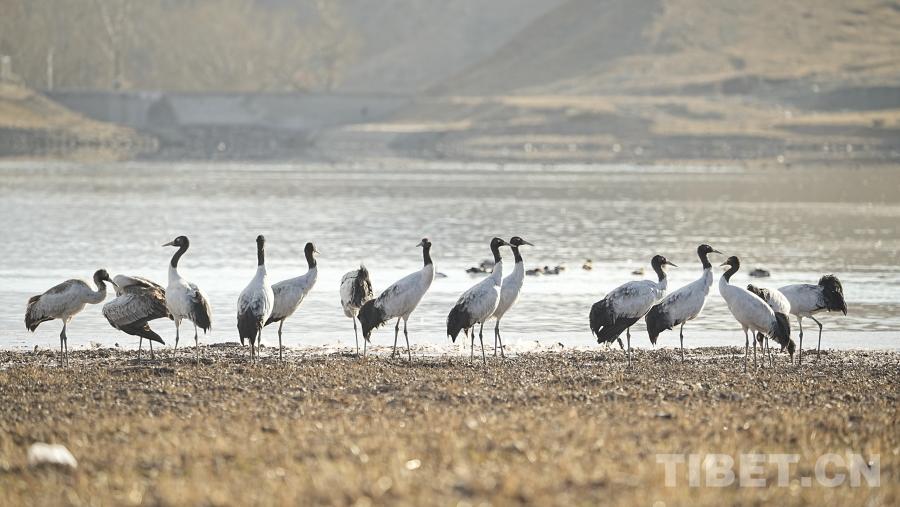
This is a group of black necked cranes near the Kazi Reservoir in Nyingtri County

These are black necked cranes that inhabit hare for winter
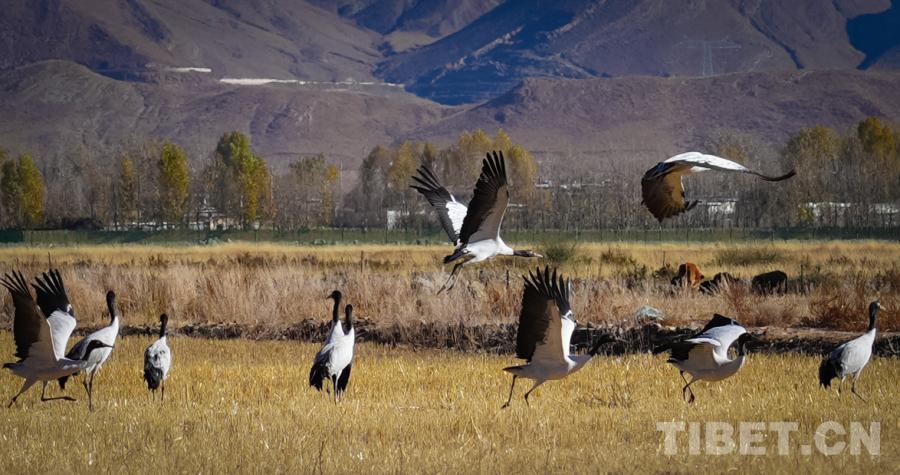
A group of black necked cranes in the farmland
In winter fields, one can often see scenes like this: farmers are working in the fields, while black necked cranes are not far away looking down for food; The villagers bent down to irrigate the land, and a flock of birds slowly walked past them. Facing each other without disturbing each other; They are in the same heaven and earth, but each has its own place. People and birds share a field, and people and nature guard a home together

A group of black necked cranes foraging in farmland
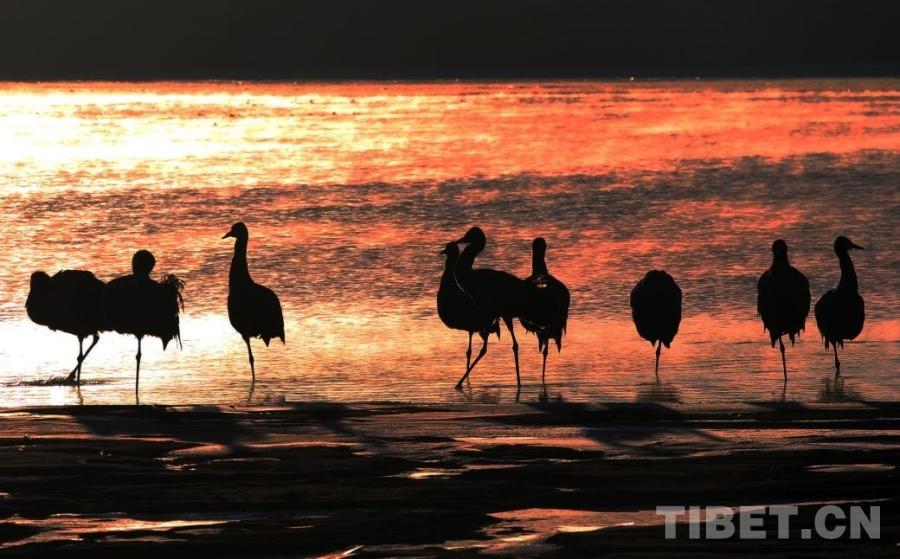
A group of black necked cranes under the sunset.

Tangka themed around black necked cranes.
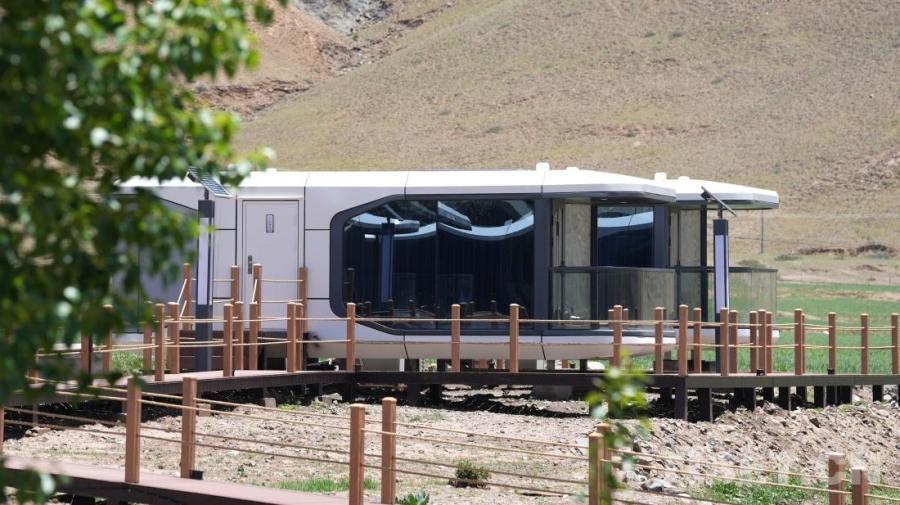
A homestay for viewing black necked cranes
Abundant granaries bring back a hundred birds, and ecological beauty brings prosperity to all things. From a crane to countless creatures, from a wetland to a vast river valley, from the perseverance of a few people to the participation of the whole nation, Nyingtri interprets the development concept of harmonious coexistence between humans and nature through his actions.
The gathering place of cranes is also the most ecologically perfect place. The story of Nyingtri is an ecological epic of harmonious coexistence between humans and nature, and a vivid footnote to the construction of ecological civilization in the new era.