
The Jeweled Scripture: An Introduction to the Mani Kabum
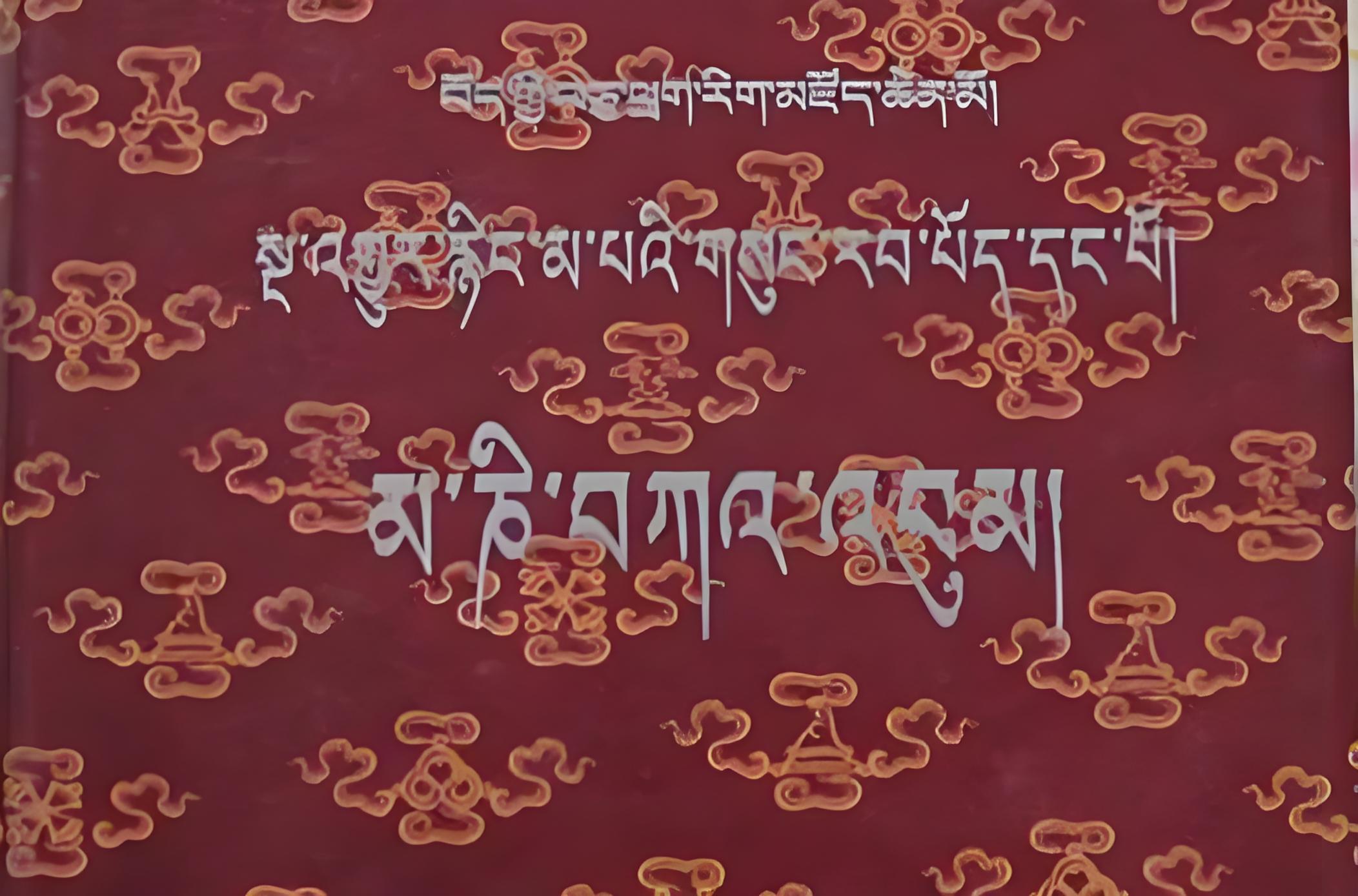
In the vast landscape of Tibetan Buddhist literature, certain texts carry more than just religious instruction—they embody the very soul of a culture. The Mani Kabum, often translated as the "Collected Teachings on the Mani," is precisely such a work. It is a foundational treasure text that weaves together the sacred mantra, the mytho-historical origins of Tibet, and the profound compassion of the Bodhisattva Avalokiteshvara.
To understand the Mani Kabum is to understand how Tibetans conceptualize their nation as a "divine field" of compassion .

The Name and Its Core Essence,The title is composed of two parts:
Mani: This refers to the six-syllable mantra "Om Mani Padme Hum",(the Mani Mantra, the quintessential invocation of Avalokiteshvara, the Bodhisattva of Compassion .
Kabum: This term generally denotes the "Collected Works" or "Sacred Scripture" of a realized master, literally translating to "the collected teachings"
Thus, the Mani Kabum is a collection centered on the practice and meaning of the Mani mantra, attributed to the great Tibetan King Songtsen Gampo (reigned 617–650 CE) .
Origins and the "Treasure" Tradition
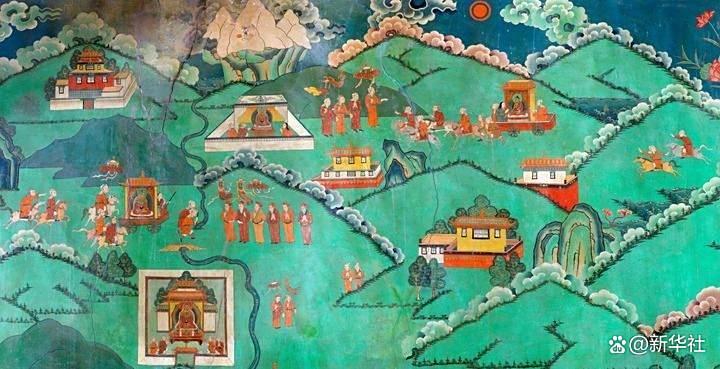
While attributed to the 7th-century king, the text as we know it today surfaced between the 12th and 13th centuries . It belongs to the Terma or "Treasure" tradition, a unique feature of Tibetan Buddhism particularly the Nyingma school, where texts are believed to have been hidden by masters like Padmasambhava to be discovered by later, destined revealers known as tertons.
In this narrative, the teachings were not merely written by King Songtsen Gampo but are considered an emanation of the Bodhisattva Avalokiteshvara. The king is revered as the physical manifestation of the Bodhisattva, making the text a direct conduit of divine compassion . The Mani Kabum was revealed by three main tertöns, including the famous Nyangrel Nyima Özer .

Structure and Content
The Mani Kabum is not a single narrative but an extensive anthology traditionally divided into three major cycles or sections :
1. The part of Sutra and Tantra
This section deals with the "Root Tantra of the All-Compassionate One" and the legendary history of Tibet. It explains how Avalokiteshvara took compassion on the Tibetan people and how the first Buddhist kings, including Songtsen Gampo, were incarnations of the Bodhisattva. It includes the famous Karandavyuha Sutra, one of the primary Indian sources for the Mani mantra .
2. The part of Sadhana
This is the liturgical and ritual manual. It contains detailed instructions for meditating on Avalokiteshvara, visualization practices, and the specific rituals required to invoke compassion and purify negative karma .
3. The part of Oral Instructions
The largest portion of the collection, this section contains advice on ethics, karma, and death, as well as philosophical treatises. Notably, it includes a detailed Rite for Transferring Consciousness, a tantric practice for achieving enlightenment at the moment of death.
The Mani Kabum holds a unique place in Tibetan history for several reasons:
Cuiltural Identity: It is the primary text that established Tibet as the "Land of Compassion." By identifying the king as an emanation of Avalokiteshvara, the text sacralized Tibetan kingship and geography .
The Spread of the Mantra: It popularized the "Om Mani Padme Hum" mantra across all walks of Tibetan life—from monks in monasteries to nomads on the plateau.
The Prayer Wheel: The text provides one of the earliest scriptural justifications for the use of the prayer wheel. It taught that spinning a cylinder containing the Mani mantra generates the same merit as orally reciting it, a boon for those who are illiterate or busy with daily labor .
The Mani Kabum is far more than a medieval manuscript. It is a living "revelation" that continues to shape the spiritual identity of the Himalayas. Whether one encounters it as a sacred object on an altar, or through the whir of a prayer wheel turning in the mountain wind, the Mani Kabum carries the promise that compassion is not merely a human emotion, but the very fabric of reality.
As the mantra within its pages suggests—Om Mani Padme Hum—the jewel of compassion resides within the lotus of the heart, waiting to be discovered.