
Wangguo Festival in Xizang Autonomous Region
Wangguo Festival is the Tibetan transliteration.In Tibetan, “wang” refers to farmland, “guo” means turning circles, and “wangguo festival” means “a festival of blessing a better life by turning circles around the edge of the field”.As a traditional festival for Tibetan farmers to lift the taboo of field management in summer and celebrate harvest, the Fruit Watching Festival is widely popular in Lhasa, Shigatse, Shannan, Linzhi, Ali and other regions of the Xizang Autonomous Region, with a history of more than 1500 years. This festival usually falls between July and August of the Tibetan calendar each year, and the specific date varies depending on the different agricultural seasons in different regions. It usually takes place two or three days after the barley is ripe and before the sickle is harvested, with a festival period of one to three days. The festival activities are organized by the township as a unit, and the activity time is determined by the local villagers through collective discussion based on the maturity of the crops.
After turning the wheat fields, according to tradition, people will hold various activities such as Tibetan opera, singing and dancing, horse racing, archery, tug of war, etc. on the square, and the participants will compete with each other, creating a lively atmosphere. On this day, every household will carefully prepare sufficient food and drink, and wear beautiful clothing. They either have picnics on the grasslands around the square or invite relatives and friends to feast together in the village. In some regions, the celebration of Wangguo Festival will last for three to four days, and the arrangement of activities will vary depending on the length of the festival, whether it is complex or simple.
The Wangguo Festival is a folk festival with the collective participation of Xizang villagers and the keynote of farming culture. It is held in the best time and space in each village and township in accordance with the tradition of rural conventions in the autumn harvest season every year. It is passed down from generation to generation in each village and township, with everyone participating and performing year after year. From the perspective of connotation and extension, the Fruit Watching Festival covers religious ceremonies, competitive sports, folk art activities and other aspects. It is one of the important carriers of Xizang's folk activities, contains the concept system of Xizang's agricultural civilization, as well as the cultural logic of harmonious coexistence between man and nature, and has profound social and cultural values
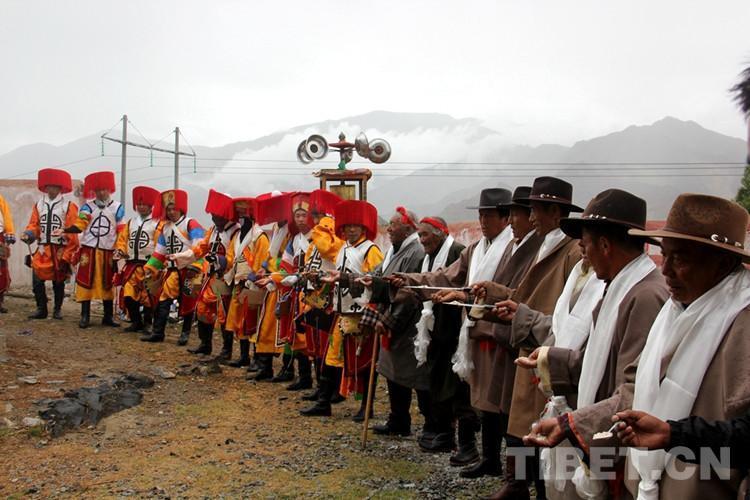
The photo shows riders and respected elderly people in the village singing ancient folk songs, praying for good weather and a bountiful harvest.
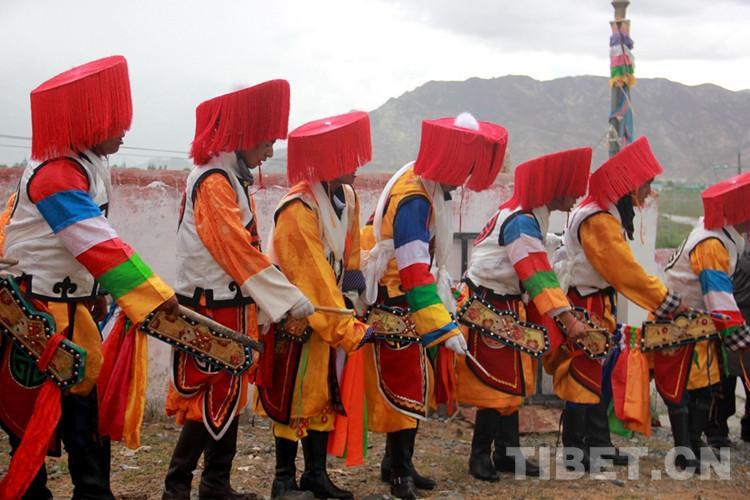
The photo shows riders and respected elderly people in the village singing ancient folk songs, praying for good weather and a bountiful harvest.
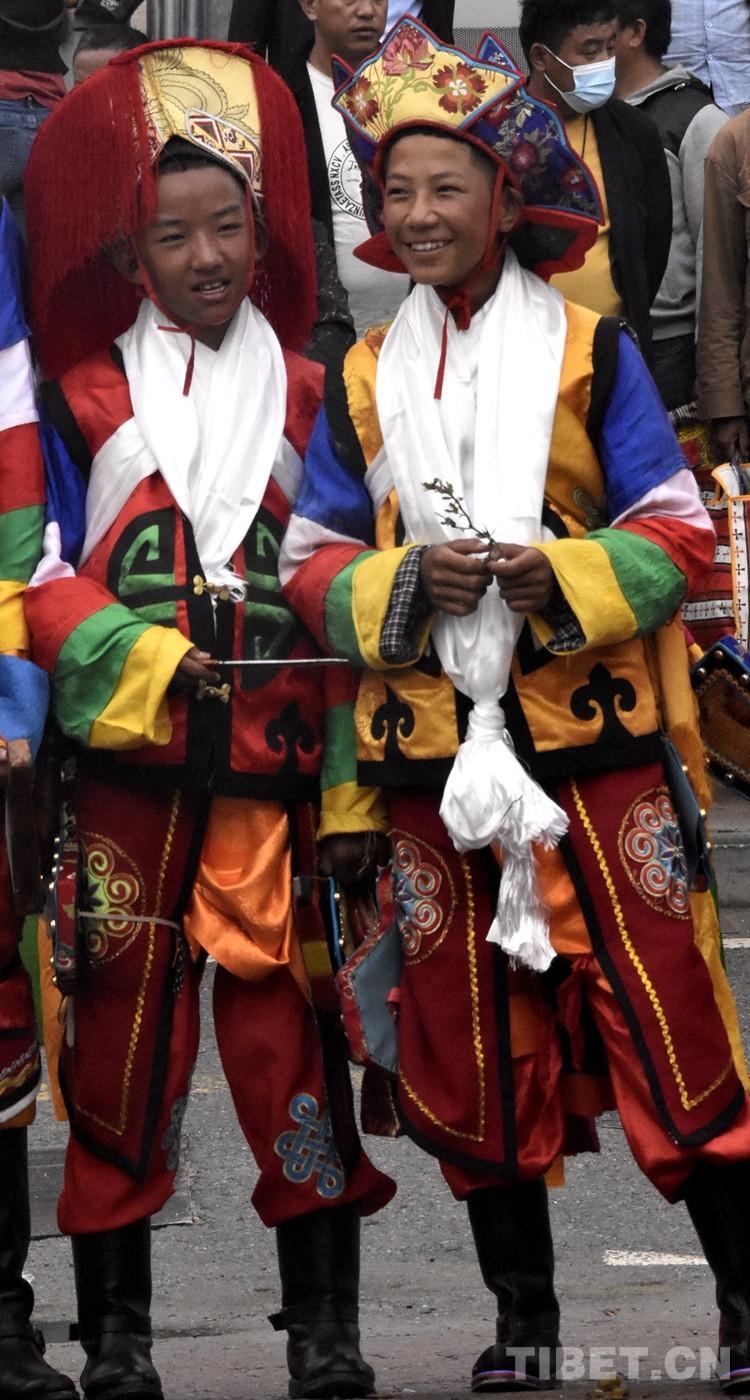
The photo shows the two youngest riders in the caravan.

The photo shows the riders heading to the competition venue.

The photo shows a rider performing an equestrian show.

The photo shows a rider performing an equestrian show.

The photo shows a rider riding a horse and shooting arrows.