
Spring birds return to Qinghai Lake

Black necked cranes and red ducks forage in wetlands
Qinghai Lake is located in the northeast of the Qinghai Tibet Plateau, with an altitude of about 3200 meters. It is the largest inland saltwater lake in China and an important barrier for maintaining ecological security on the Qinghai Tibet Plateau. This place has vast waters, connected wetlands, and abundant aquatic plants, making it a key stopover and breeding ground for migratory birds, and is known as the "Bird Paradise". Every spring, tens of thousands of waterbirds return here to reproduce and thrive.
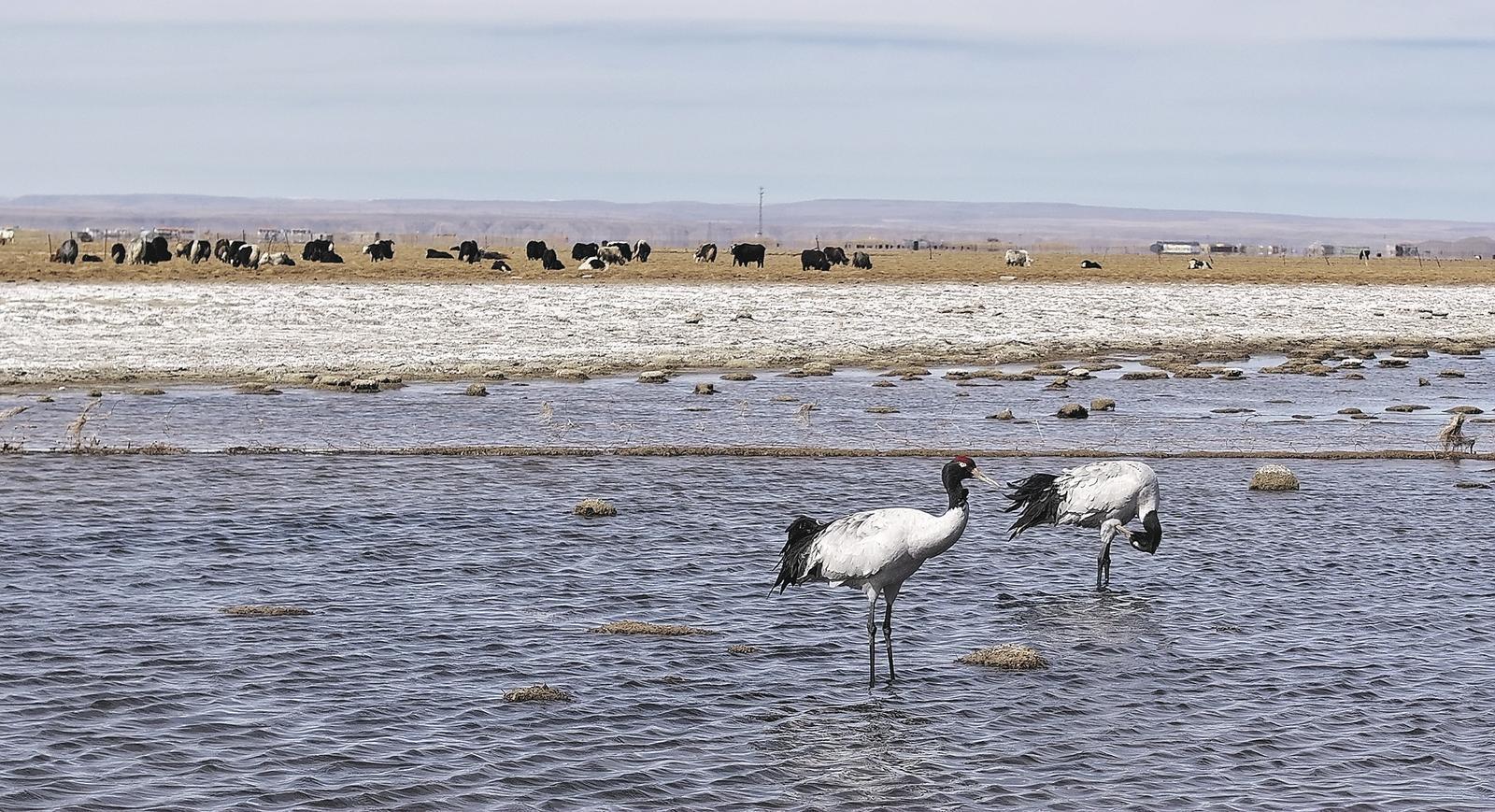
The scene of harmonious coexistence between yaks and black necked cranes.
Qinghai Lake is located in the northeast of the Qinghai Tibet Plateau, with an altitude of about 3200 meters. It is the largest inland saltwater lake in China and an important barrier for maintaining ecological security on the Qinghai Tibet Plateau. This place has vast waters, connected wetlands, and abundant aquatic plants, making it a key stopover and breeding ground for migratory birds, and is known as the "Bird Paradise". Every spring, tens of thousands of waterbirds return here to reproduce and thrive.
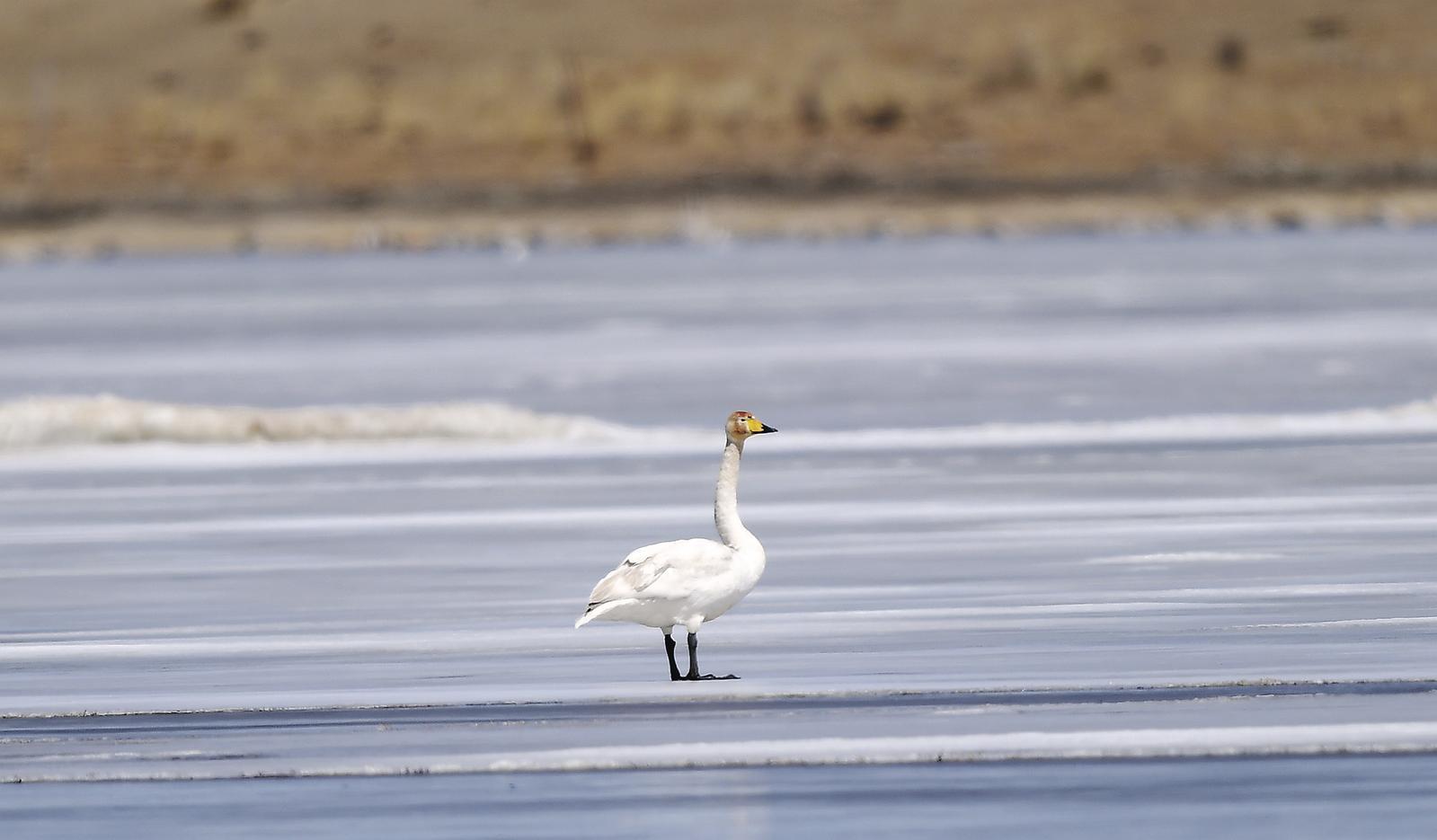
The great swan that has not yet migrated.
Qinghai Lake is located in the northeast of the Qinghai Tibet Plateau, with an altitude of about 3200 meters. It is the largest inland saltwater lake in China and an important barrier for maintaining ecological security on the Qinghai Tibet Plateau. This place has vast waters, connected wetlands, and abundant aquatic plants, making it a key stopover and breeding ground for migratory birds, and is known as the "Bird Paradise". Every spring, tens of thousands of waterbirds return here to reproduce and thrive.
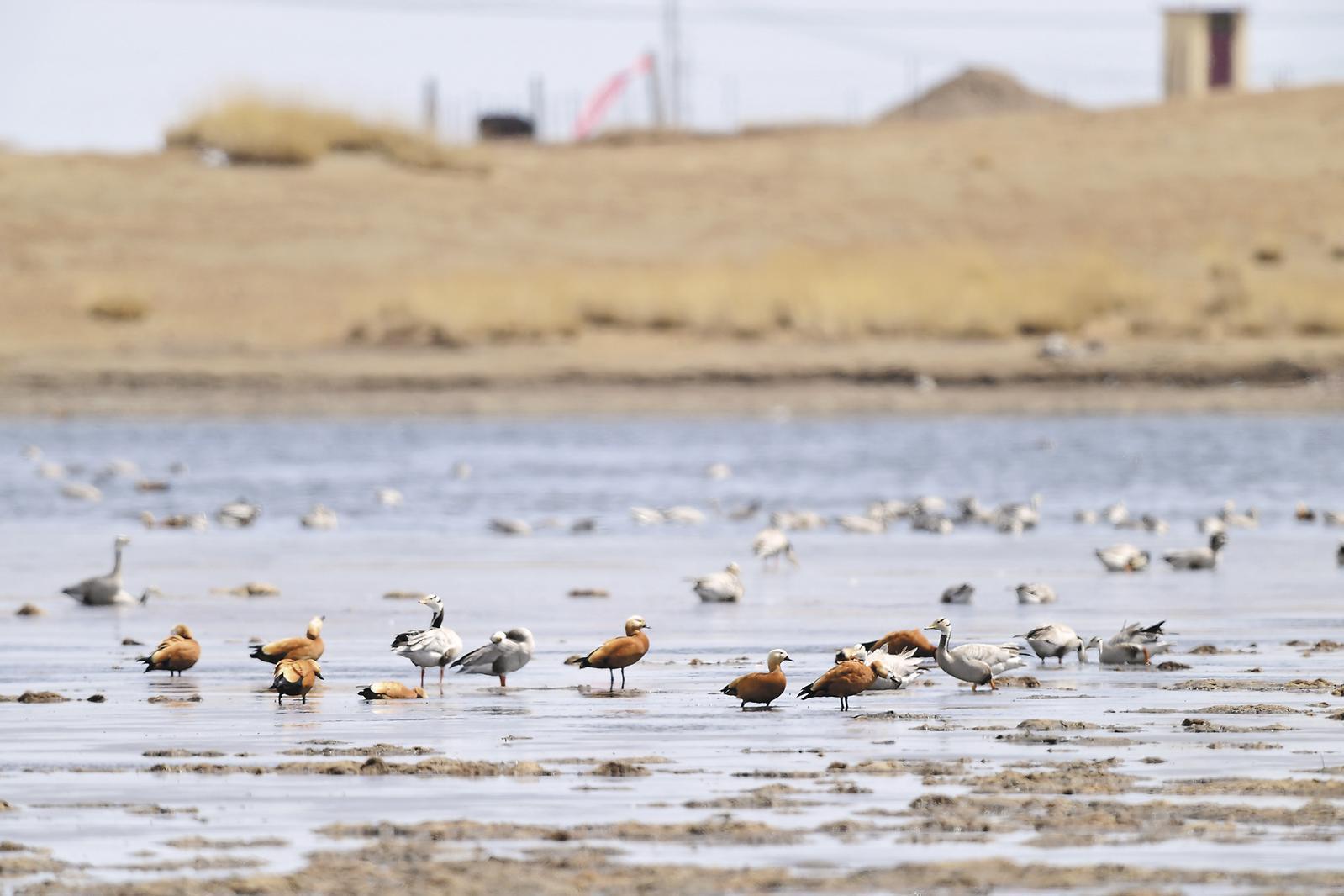
Waterbirds are resting
Qinghai Lake is located in the northeast of the Qinghai Tibet Plateau, with an altitude of about 3200 meters. It is the largest inland saltwater lake in China and an important barrier for maintaining ecological security on the Qinghai Tibet Plateau. This place has vast waters, connected wetlands, and abundant aquatic plants, making it a key stopover and breeding ground for migratory birds, and is known as the "Bird Paradise". Every spring, tens of thousands of waterbirds return here to reproduce and thrive.
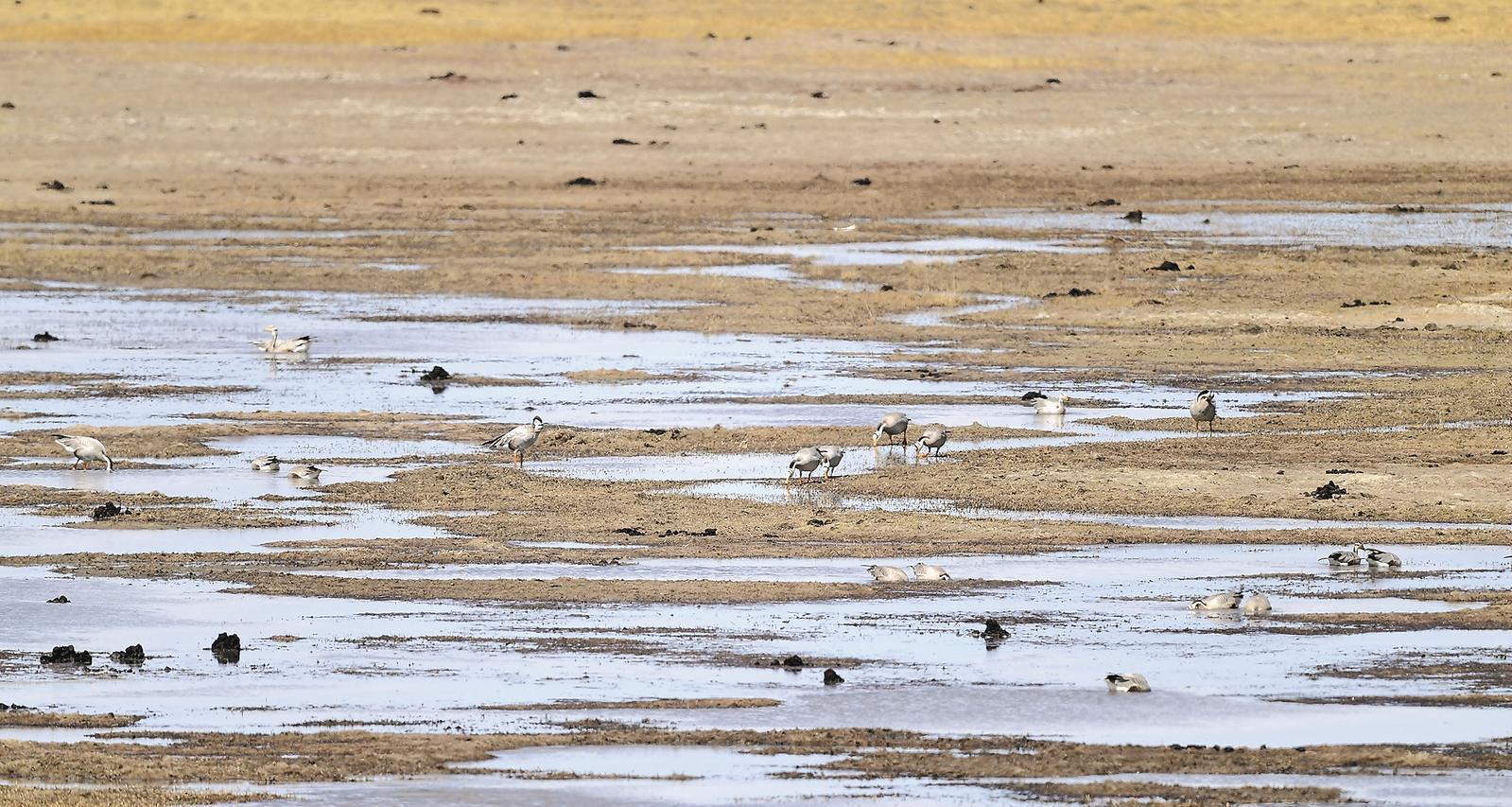
Waterbirds foraging in wetlands
Qinghai Lake is located in the northeast of the Qinghai Tibet Plateau, with an altitude of about 3200 meters. It is the largest inland saltwater lake in China and an important barrier for maintaining ecological security on the Qinghai Tibet Plateau. This place has vast waters, connected wetlands, and abundant aquatic plants, making it a key stopover and breeding ground for migratory birds, and is known as the "Bird Paradise". Every spring, tens of thousands of waterbirds return here to reproduce and thrive.

The harmonious overture of waterbirds and pastoral songs.
Qinghai Lake is located in the northeast of the Qinghai Tibet Plateau, with an altitude of about 3200 meters. It is the largest inland saltwater lake in China and an important barrier for maintaining ecological security on the Qinghai Tibet Plateau. This place has vast waters, connected wetlands, and abundant aquatic plants, making it a key stopover and breeding ground for migratory birds, and is known as the "Bird Paradise". Every spring, tens of thousands of waterbirds return here to reproduce and thrive.

The spotted geese soaring on the wetland.
Qinghai Lake is located in the northeast of the Qinghai Tibet Plateau, with an altitude of about 3200 meters. It is the largest inland saltwater lake in China and an important barrier for maintaining ecological security on the Qinghai Tibet Plateau. This place has vast waters, connected wetlands, and abundant aquatic plants, making it a key stopover and breeding ground for migratory birds, and is known as the "Bird Paradise". Every spring, tens of thousands of waterbirds return here to reproduce and thrive.