
Tibetan New Year— A Celebration of Renewal and Good Fortune
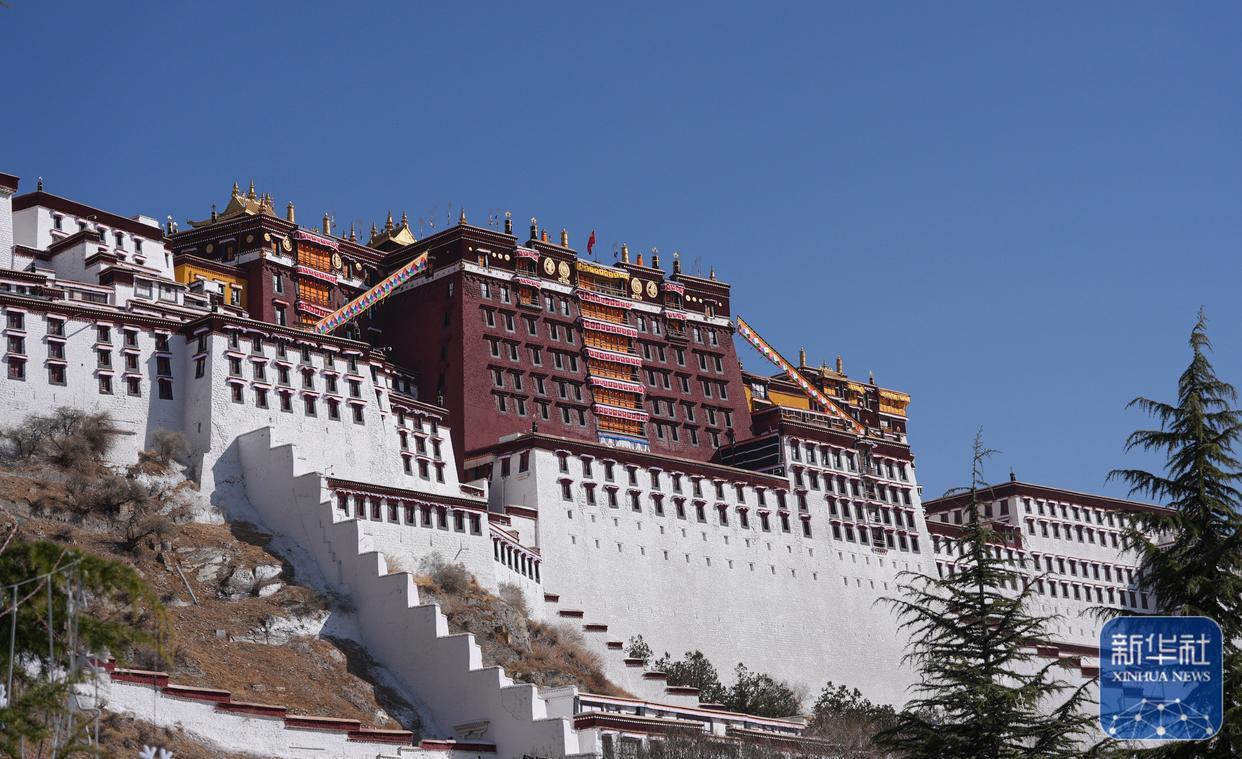
Tibetan New Year, known as Losar (a Tibetan word combining lo for "year" and sar for "new"), is the most important festival in the Tibetan calendar. It is a time for family reunions, deep spiritual reflection, and vibrant community celebrations that embody the rich cultural heritage of the Tibetan people . While the date varies according to the Tibetan calendar, it often falls close to the Chinese Spring Festival . The celebrations typically last for 15 days, with the first three days being the most significant .
Origins and Timing
The origins of Losar can be traced back to a pre-Buddhist winter ceremony during the Bön period, where incense was offered to appease local spirits . The modern festival was formalized in 1027 AD with the systematization of the Tibetan calendar, fixing the first day of the first month as Losar .
It's interesting to note that the timing of Losar can vary within Tibet itself due to differences in local agricultural cycles. For instance, while most Tibetans celebrate on the first day of the first month, people in regions like Shigatse and Nagchu celebrate at the start of the 12th month . Each new year is also associated with one of the twelve animals of the zodiac, whose symbolic qualities are believed to influence the year ahead .
Preparations: Cleaning and Auspicious Offerings
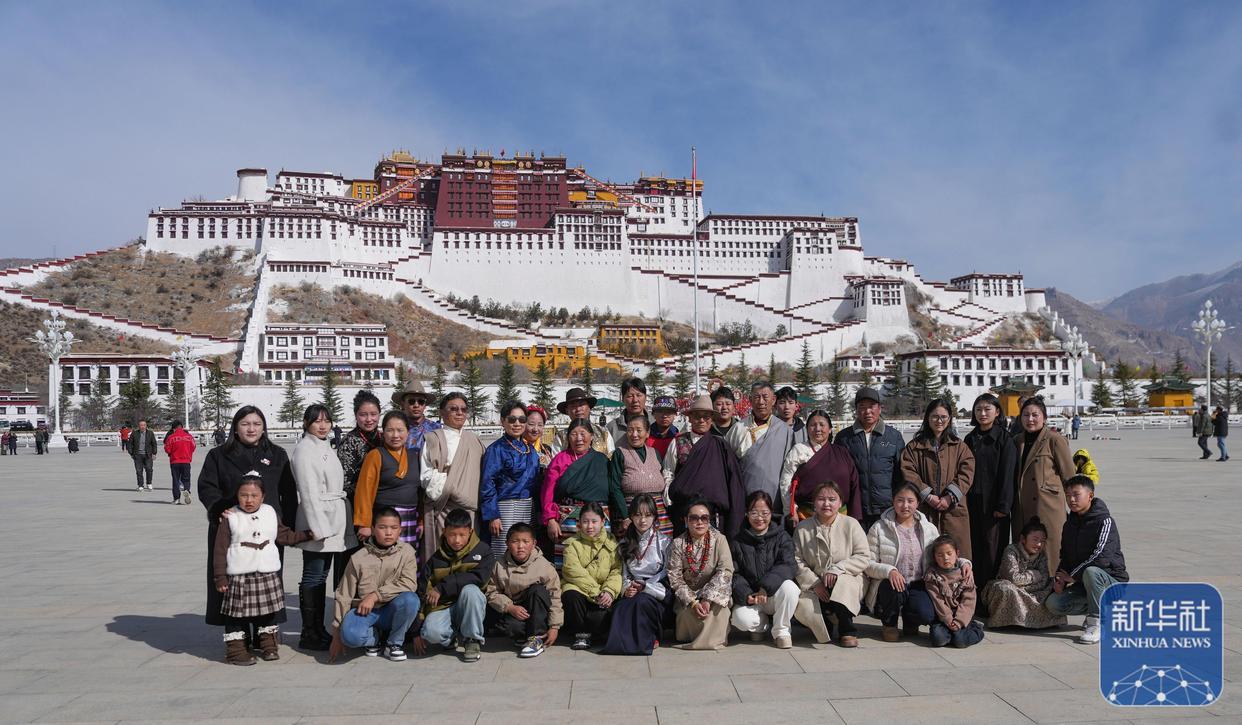
Preparations for Losar begin weeks in advance, starting from the 12th month. Families engage in a thorough cleaning of their homes to sweep away any ill-fortune and make way for good luck . They also prepare special offerings and festive foods. A key item is the Chenmar (or Five-Cereal Container), a wooden box filled with roasted highland barley flour (tsampa) and fried barley, adorned with barley ears and colorful butter sculptures to pray for a bumper harvest and a prosperous year . Homes are decorated with new woven rugs, and auspicious symbols like the Swastika are painted on doors with lime .
On the 29th day of the 12th month, families gather to eat a special dumpling soup called Guthuk . This evening also features a grand ritual to ward off evil spirits, symbolically expelling negativity from the old year .
New Year Festivities: From Family to Community
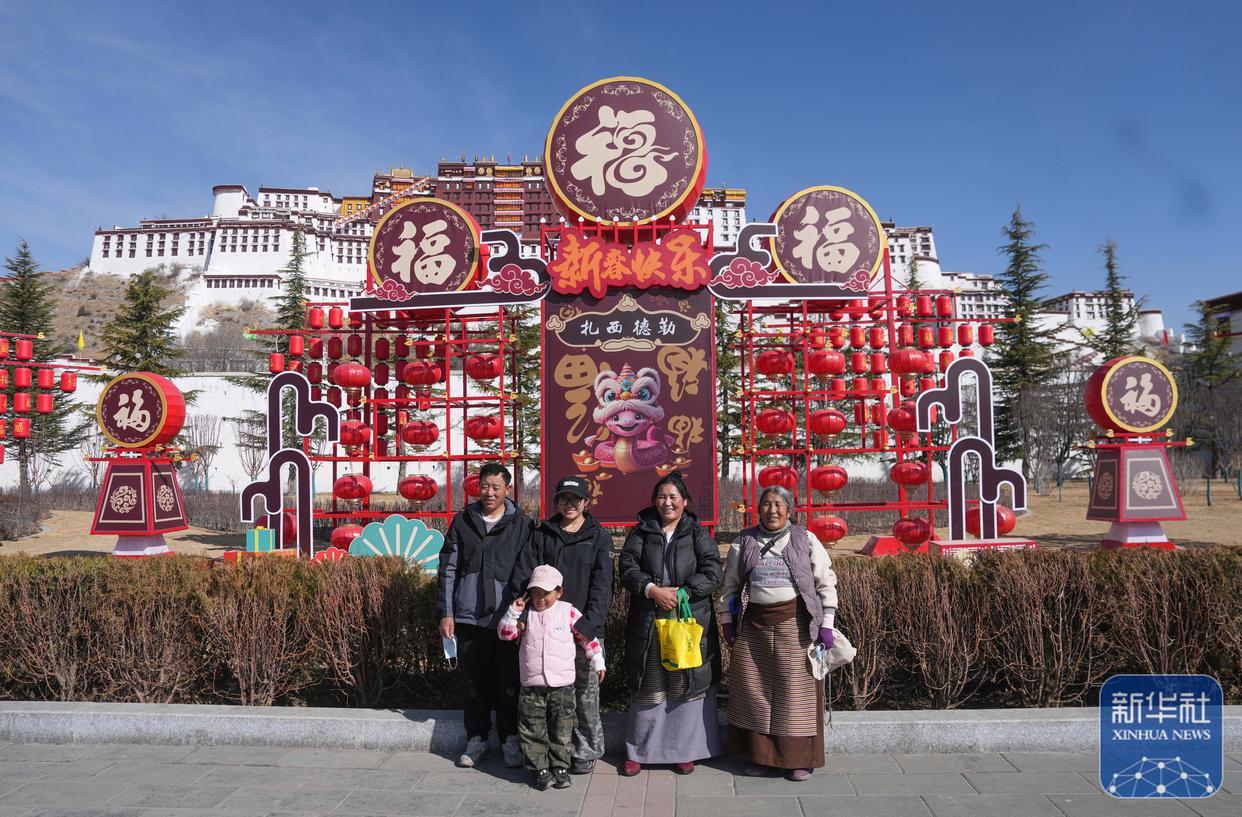
The first day of Losar is a time for family. Everyone rises early, dons new or freshly cleaned traditional clothes, and makes offerings at the family shrine . Family members greet each other holding the Chenmar and highland barley wine, exchanging the traditional blessing "Tashi Delek" (meaning "good luck and happiness") .
On the second day, the celebrations expand into the community as people visit relatives and friends to feast, drink, play games like dice or mahjong, and share joy .
The third day is marked by religious and communal activities. A common tradition is the hoisting of new prayer flags on rooftops, believed to spread blessings and positive energy with the wind . In many places, people gather for a lhasang (incense offering) ceremony, where fragrant herbs are burned, and tsampa flour is offered into the air to uplift the spirit and bring good fortune .

The festivities continue well beyond the first three days. In Lhasa, the Grand Summons Ceremony (Monlam Chenmo) begins on the fourth day, a significant religious event featuring sutra recitations and debates by monks at the Jokhang Monastery . The celebrations culminate on the 15th day with the Butter Lamp Festival (Chunga Choepa), where intricate and colorful sculptures made of butter are displayed .
Today, Losar remains a vibrant and cherished tradition, blending ancient customs with modern life, from bustling festival markets in Lhasa to quiet family gatherings in homes across the region, all united in a shared hope for peace and happiness in the new year .
